Salve Maria, a premier study abroad consultancy in Kerala, has a dedicated team from diverse backgrounds that envisions providing honest, transparent, and efficient services to our clients.
Are you looking to study in Australia in 2026? Australia remains one of the most desirable destinations for international studies. But let’s be honest—the visa landscape has changed a lot recently.
As a study abroad consultant at Salve Maria Group, I have seen the panic that the new rules for visas have caused. But let me clarify that the new rules are not designed to stop you from getting admission in Australian universities, but to make sure that only genuine students get admission.
If you are looking to take admissions through the 2026 intake, this blog outlines the changes in the Visa rules.
What’s New in Australia Student Visa Rules for 2026?
The major change is the complete mindset that has changed, rather than just the rule. The Australian government has moved from the Genuine Temporary Entrant to the Genuine Student (GS) requirement. The focus today is on proving that you are a genuine student who is looking to study to advance your career.
Imagine you are looking to go to Australia on a visitor visa and then switching to a Student Visa, the new rules will prevent this sort of Visa hopping.
Updated Eligibility Requirements for International Students
I will now explain the detailed analysis of what has changed in the new Australia Student Visa 2026 rules.
Language Proficiency
The course content of the Australian universities is quite rigorous. To ensure that you can handle it, the requirements for the knowledge of the English language have been tightened.
Here are the new requirements for the knowledge of the English language –
Student Visa (Subclass 500): You now generally need an IELTS score of 6.0 (or equivalent in PTE), up from the previous 5.5.
ELICOS (English courses): The minimum score to package an English course with a degree has also risen to 5.0
Graduate Visa (Subclass 485): If you are looking ahead to life after graduation, note that the English requirement for the Temporary Graduate visa is now IELTS 6.5, and the validity of test scores has been reduced to one year.
The eligibility criteria
International students are expected to fulfil a few conditions to be eligible to study in Australia.
Verification of enrolment – You should be enrolled for a full-time study programme registered on the CRICOS (Commonwealth Register of Institutions and Courses for Overseas Students)
Genuine student statement – The requirement needs you to demonstrate genuine intent to study in Australia.
Financial capacity – You should have enough funds, typically around AUD 29,710 per year.
Character and Health – You should also fulfil certain conditions of character and health.
Documents Required for Australia Student Visa 2026
Getting your paperwork is work half done. Make sure that not a single document is missed out.
The following checklist should help you find the right list –
Valid Passport: Must be valid for the duration of your stay.
Confirmation of Enrolment (CoE): Issued by your university after you accept the offer.
Genuine Student (GS) Responses: Clear, evidence-based answers to the new GS questions.
Proof of Funds: Bank statements, education loan letters, or scholarship letters showing the required AUD 29,710 + fees
English Proficiency Test Results: IELTS/PTE scorecards (no older than 2 years for the student visa).
Overseas Student Health Cover (OSHC): Health insurance policy for the entire duration of your course.
Academic Transcripts & Certificates: From Class 10 onwards.
Financial Requirements & Proof of Funds in 2026
Australia is an amazing place to live, but the cost of living has gone up considerably in recent times. The visa rules define exactly on this fact exactly.
For anyone who wants to apply for admission to the 2026 intake, you are expected to show higher savings than in the previous years. The minimum financial capacity requirement has been raised to align with 75% of the national minimum wage.
Primary Applicant: You must show access to at least AUD 29,710 (approx. ₹16-17 Lakhs, depending on exchange rates) for living costs alone.
Partner/Spouse: An additional AUD 10,394.
First Child: An additional AUD 4,449.
Please note that these costs are in addition to the first year’s tuition fees and travel costs (approx. AUD 2,000).
Changes in Student Visa Processing & Priority System
This is the most critical change in 2026. Under the Ministerial Directions 115, visa processing will no longer be based on a “first-come, first-served” basis.
There is a new traffic light system based on the university or college you choose for admission. If you consider a risky college, your visa can take months to be available.
Work Rights for International Students in Australia
Australia lets you work, earn and gain experience. That should make Australia one of the most prominent reasons to study in the country.
However, the work rules in 2026 have been balanced so that your studies remain your primary priority.
During Semesters: You can work up to 48 hours per fortnight (2 weeks). This is a sweet spot—it’s more than the old 40-hour cap, allowing you to work roughly 3 days a week.
During Semester Breaks: You have unlimited work rights. You can work full-time to save up for your next semester’s fees or travel.
Masters by Research & PhD Students: You have unlimited work rights even during the semester.
Common Reasons for Australia Student Visa Rejection
Remember that even with the high grades, your visa can be rejected. In my experience of working with Salve Maria Group, I have seen that there are several reasons for Visa rejection.
Vague GS Answers: Using generic AI-generated answers for the Genuine Student questions. The case officer wants to know your specific reasons, not a template.
Unclear Financials: “Show money” that suddenly appears in an account without a clear source (like a sudden large deposit) raises red flags.
Course Irrelevance: Applying for a course that has no logical link to your previous studies or work experience (e.g., a nurse applying for a cookery course).
Gap Explanation: Failing to explain gap years with verifiable evidence (work experience letters, pay slips).
Study in Australia with the expertise of Salve Maria Group
Navigating the rules of a student Visa in Australia can feel overwhelming. However, you do not need to do it all alone. Partnering with a reliable and trusted study abroad consultant can help you navigate the exact requirements of a student visa.
At Salve Maria Group, we don’t just fill out forms; we build careers. With 19 years of legacy and a strong presence through our 10 branches across Kerala, including Trivandrum, Kottayam, Kochi, Thrissur and Calicut. We have successfully guided thousands of students to their dream universities in Australia.
Ready to start? Contact us today for a free profile assessment.
Are you standing at the crossroads of your academic journey, unsure which direction will truly shape your future? Germany might be the path that quietly combines quality education, global exposure, and real career opportunities into one powerful choice. Instead of paying massive tuition fees elsewhere, you can study at high‑ranking universities, build real industry experience, and still afford a comfortable life in a safe, modern country. In this blog, we will look at what truly makes Germany the perfect study destination for you, from world‑class academics to career, culture, and long‑term opportunities.
Why Study in Germany?
When students walk into a counselling session and ask for a country that balances quality and affordability, Germany is usually one of the first recommendations. Public universities often charge no tuition fees for many programmes, and students primarily pay a modest semester contribution that covers administration and local transport, making the total cost far lower than in destinations like the US or UK. At the same time, several German universities regularly appear in global rankings, offering respected degrees without the heavy financial burden often associated with top‑tier institutions.
Academic Excellence and Learning Environment
From a consultant’s point of view, Germany suits students who want both academic depth and hands‑on exposure. The country hosts more than 400 recognised higher‑education institutions, and together they offer thousands of programmes across engineering, natural sciences, business, social sciences, health, and creative disciplines. Increasingly, international students can choose English-taught programmes at the bachelor’s and master’s levels, which removes the initial language barrier while they gradually build their German skills.
Classes tend to place strong emphasis on critical thinking, independent study, and research skills. Seminar‑style teaching and project work are common, especially at the master’s level, where students often collaborate on case studies or industry‑based assignments. Universities work closely with companies and research institutes, so thesis projects or internships in areas like automotive engineering, renewable energy, logistics, and data science become natural extensions of academic work rather than optional extras.
Cultural Exposure: Living and Growing in Germany
Students in Germany are expected to manage most aspects of daily life independently. University support is limited to academics; accommodation arrangements, address registration, transport use, and compliance with local administrative rules are handled individually. In cities such as Berlin, Munich, Frankfurt, and Hamburg, systems are rule-driven and process-oriented, with little flexibility for personal circumstances. New students often underestimate this at the start.
Over time, operating within these systems becomes routine. Students learn to plan ahead, meet deadlines, and work within clearly defined structures, including multicultural study and work environments. This adjustment is not gradual by design; it is expected early. The outcome is practical independence rather than cultural exposure, and it influences how students function later in professional settings.
Part‑Time Work Options for International Students
For most families, cost planning is not theoretical; it determines whether overseas study is viable at all. In Germany, students are permitted to work within clearly defined annual limits set by immigration rules. This allows many to cover routine expenses such as transport, food, and basic accommodation costs. Employment is typically found in university departments, retail outlets, warehouses, cafés, or entry-level office roles. While this income does not replace primary funding, it reduces financial pressure during the course period.
In many cases, universities also provide on‑campus opportunities such as student assistant roles, lab support positions, or library jobs, which fit naturally around academic schedules. For students in technical or business fields, part‑time roles and internships related to their degree can be especially valuable, helping them build networks and understand German workplace culture long before they graduate. As consultants, the recommendation is always to treat part‑time work as a supplement, not the primary funding source, but it is a significant advantage compared to countries with more restrictive work rules.
Climate and Daily Atmosphere in Germany
For most students coming from warmer countries, Germany’s weather is an adjustment rather than a shock. Summers are generally comfortable, spring and autumn change quickly from sunny to rainy, and winters can be cold but manageable with the right clothing. You experience all four seasons clearly, which also shapes how campuses and cities feel across the year.
In larger cities, the day‑to‑day atmosphere is calm, structured, and rarely chaotic. Public transport is reliable, streets are usually clean, and green spaces are easy to access, which helps students balance study pressure with time outdoors. What many international students notice most is that life is quiet, rules are taken seriously, and people value personal space. Over time, this predictable environment becomes one of the reasons they find it easier to plan their routines and focus on long‑term goals.
Career Opportunities After Studying in Germany
When students ask, “What happens after I finish my degree?”, Germany offers one of the clearest pathways among major study destinations. The country has one of Europe’s strongest economies, with global employers across automotive manufacturing, engineering, IT, finance, logistics, healthcare, and renewable energy operating out of cities and industrial regions across the country. Graduates from German universities, especially those with relevant skills and language competence, are well-positioned for roles that require technical expertise and problem‑solving ability.
Many international graduates benefit from Germany’s post‑study regulations, which typically allow them to extend their stay, often up to 18 months, to search for qualified employment in their field. During this period, they can attend interviews, take up trial roles, and convert internships into full‑time positions. With the right employment contract and salary level, graduates may progress to residence permits that reflect their skilled status, including options linked to the EU Blue Card. This progression makes Germany attractive for students who are thinking not just about a degree, but about long‑term professional and personal stability.
Post‑Study Work and PR Opportunities
Germany’s post-study residence rules are often a deciding factor during counselling discussions. After completing a recognised qualification, graduates are allowed to remain in the country for a defined period solely to look for work. This is not an informal extension; it is a structured status designed to bridge education and employment. Once a graduate secures a role that meets qualification and salary thresholds, the residence status is normally converted to a work permit. With continued employment, language progress, and social security contributions, permanent residence becomes a procedural outcome rather than an exception.
What matters to students is how this works on the ground. Germany is dealing with long-term workforce shortages across engineering, software, healthcare, and technical occupations. Employers are not simply open to international graduates; in many cases, they rely on them. Students who choose courses linked to these sectors, invest early in German language ability, and gain practical exposure through internships move into the labour market with far fewer barriers. In these cases, the shift from student status to employment and long-term residence follows a clear administrative sequence, not a speculative plan.
How Salve Maria Helps You Study in Germany
Making Germany your study destination is a strategic decision, but implementing that decision requires careful guidance at every stage. This is where Salve Maria plays a crucial role. With years of experience in overseas education and strong familiarity with German universities and visa processes, our counsellors help you interpret admission requirements, shortlist suitable programmes, and build an application strategy that reflects your academic record, finances, and long‑term plans. We have branches in Trivandrum, Kottayam, Kochi, Thrissur and Calicut.
From language preparation and documentation to visa filing, pre‑departure briefings, and post‑landing assistance, we support you so that each step is completed correctly and on time for your decision to study in Germany. More importantly, the counselling process focuses on matching Germany’s strengths, excellent education, cultural exposure, part‑time work options, post‑study work rights, and realistic PR pathways to your individual profile. With the right planning and expert guidance from our counsellors, “What Makes Germany the Perfect Study Destination For You?” becomes more than a question; it becomes a clear, achievable roadmap for your future. If you are looking for a study abroad consultant for studying in Germany, contact us or visit our office for personalised guidance.
Which Is the Best Study Abroad Consultant in Kerala?
An 18-Year Insider Perspective on What Truly Matters
Every year, thousands of students and parents across Kerala search for one answer:
“Which is the best study abroad consultant in Kerala?”
It is a valid question. Studying abroad is one of the most important financial and life decisions a family makes. A wrong decision can cost years of effort, lakhs of rupees, and emotional stress. A right decision, on the other hand, can open doors to quality education, global exposure, and long-term career growth.
However, based on 18 years of experience in the study abroad landscape in Kerala, one thing must be said upfront — the question itself is slightly flawed.
There is no single study abroad consultant in Kerala who is “best” for everyone.
And believing that there is one universal “best” is often where students begin making mistakes.
This article is written to explain why that is the case, what actually defines a good consultant, and how students and parents can make informed, realistic decisions — without falling for half-truths, marketing gimmicks, or unrealistic promises.
Is There a Single “Best” Study Abroad Consultant in Kerala?
The honest answer is: No.
Students differ widely in:
Academic background
Financial capacity
Country preferences
Long-term career goals
Risk tolerance
Family expectations
A consultant who is excellent for a nursing professional may not be the right choice for a student after 12th. A consultant who works well for high-budget UK or Australia profiles may not suit low-budget students seeking practical pathways.
One-size-fits-all counseling does not work in overseas education.
What truly matters is whether a consultant:
Understands your profile
Gives advice that prioritizes your future
Is transparent about costs, risks, and outcomes
Is willing to say no when something is not right for you
From our experience, the best consultant is not the one who promises the most, but the one who explains the realities clearly — even when those realities are uncomfortable.
What Does “Best” Actually Mean in Study Abroad Counseling?
Over the years, certain clear markers consistently separate ethical, student-centric consultants from commission-driven ones. Based on experience, the following five pillars define quality counseling.
1. Ethical Counseling Over Commissions
Not every university, country, or intake is right for every student.
An ethical consultant:
Recommends universities based on academic fit and outcomes
Does not push a country simply because it offers higher commissions
Is willing to explain why a popular destination may not suit a particular student
Unfortunately, students are sometimes encouraged toward low-scope countries or non-EU destinations with the hope of jobs or long-term settlement — promises that may not align with reality.
Ethical counseling means long-term thinking, not short-term gains.
2. Complete Transparency in Fees
Transparency is one of the biggest pain points in the industry.
Students and parents should clearly understand:
Tuition fees
Application fees
Visa fees
Living expenses
Payment timelines
Currency conversion details
Some unethical practices observed in the industry include:
Charging registration fees (often ₹500–₹1,500) purely as “easy money”
Quoting tuition fees at slightly inflated exchange rates
Using third-party payment vendors without clear disclosure
For example, even a difference of ₹2–₹3 per pound on a £15,000 tuition fee can result in ₹30,000 extra per student, often without the family realizing it.
Best practice: Always pay tuition fees directly to the institution whenever possible, and ask for written clarity on all payments.
3. Focus on University Quality, Not Just Country Names
The country alone does not determine success — the institution and course quality matter far more.
A responsible consultant looks at:
Accreditation
Campus facilities
Employability outcomes
Industry exposure
Long-term academic value
Pushing students into institutions with limited recognition simply because they are cheaper or easier to process can lead to disappointment later, especially when job opportunities are limited.
4. Personalized Guidance — Not Template Counseling
Every student’s journey is different.
Good consultants take time to understand:
Academic strengths and weaknesses
Career aspirations
Financial realities
Family expectations
Personalized counseling often means not agreeing blindly with the student, but guiding them toward realistic alternatives that still meet their goals.
5. Honest Communication About Jobs, PR, and Reality
Perhaps the most important pillar — and the most ignored.
Studying abroad:
Does not guarantee a job
Does not guarantee permanent residency (PR)
Does not eliminate financial responsibility
PR policies are controlled by governments and change frequently. Many changes are not foreseeable at the time of recruitment. Students must be prepared for uncertainty and competition.
A good consultant clearly explains this before the student commits.
The Reality of Studying Abroad: What Students and Parents Must Understand
One of the most important messages parents and students need to hear is this:
Getting an admission is only the beginning — not the end goal.
Education Comes First
The primary objective of sending a student abroad should be:
Completing the degree successfully
Gaining relevant knowledge and skills
Becoming employable in the chosen field
Expecting students to fully repay education loans through part-time jobs during studies is unrealistic and creates unnecessary pressure.
The Truth About Part-Time Work
Part-time jobs:
Are meant to support daily living expenses
Rarely cover tuition fees or large financial commitments
May be limited by visa rules and academic workload
Students may or may not be entitled to work full-time during studies, and regulations vary by country.
Families must ensure adequate funds are available to support the student throughout the course duration.
Jobs and PR Are Not Automatic
Employment after studies depends on:
Academic performance
Skill relevance
Language proficiency
Networking
Market demand
Immigration policies at that time
PR pathways are policy-driven, not consultant-driven.
Students who complete their courses successfully and secure skilled employment stand a far better chance than those who focus solely on short-term earnings.
Common Myths Among Kerala Students
Myth 1: Trusted Brand =Higher Cost
A well-established study abroad brand offers greater reliability and peace of mind and can offer competitive rates on account of the established relationships and scale of economies due to their larger presence.Established study-abroad providers bring stability, trusted support systems and fewer risks.
In Short” Trusted brand. Proven safety. Confident choice.
Well-known study abroad organizations bring the advantage of experience. With dedicated support teams, clear procedures, and a global network of partners, students benefit from a safer and more secure learning experience abroad.
Myth 2: IELTS Score Decides Everything
While language proficiency is important, admissions are based on:
Academic profile
Course relevance
Statement of purpose
Overall consistency
A moderate IELTS score does not mean the end of opportunities.
Myth 3: Studying in Europe Automatically Guarantees Jobs
While a degree alone does not automatically secure employment, studying in Europe offers significant advantages for your future career. European universities are known for high-quality education, international exposure, practical learning, and strong connections with industry, all of which improve your employability.Studying in Europe does not automatically guarantee employment—but it gives you a head start. With international experience, practical skills, and global networking opportunities, students are better positioned to secure rewarding careers worldwide.Associating with an experienced consultancy like Salve Maria can get you wider access to top universities and
Myth 4: Low-Cost Countries Offer Easy Futures
Lower tuition does not always mean better value.
If long-term career prospects are limited, the initial savings may not justify the outcome.
A Real-World Case Study: Ethical Guidance in Practice
A student approached us with a clear aspiration — a UK business degree. However, the cost of studying on the UK campus was beyond her financial capacity.
Instead of forcing an unaffordable option or redirecting her to a low-scope alternative, we suggested a Dubai campus of the same UK university:
Lower tuition and living costs
Same curriculum
Same degree certificate
Better financial sustainability
The decision allowed the student to achieve her academic goal without unnecessary financial strain.
This is what student-centric counseling looks like — adapting the pathway without compromising the outcome.
Wrongful Practices Students Should Be Aware Of
Over the years, we have observed certain industry practices that students should approach with caution:
Charging unnecessary registration fees
Inflated tuition payment conversions
Promising jobs or PR as guarantees
Promoting countries with limited future scope
Hiding bitter facts to avoid losing clients
Students should choose consultants who:
Present facts, not fantasies
Are willing to challenge unrealistic expectations
Provide written clarity on processes and costs
Sweet talk may feel comforting initially, but facts protect futures.
Which Type of Consultant Is Best for You?
Instead of asking who is the best consultant, students should ask which consultant fits their profile best.
Nursing professionals: Look for consultants experienced in healthcare pathways and licensing requirements
Students after 12th: Focus on academic foundations and long-term progression options
Graduates: Course relevance and employability outcomes are key
IT professionals: Industry exposure and skill alignment matter more than country names
Low-budget students: Transparency and realistic pathways are essential
Where Experience Makes a Difference
Over nearly two decades, guiding students across destinations such as:
UK
Germany
Australia
Ireland
New Zealand
Dubai
France
has reinforced one belief: truthful counseling builds long-term success.
A transparent, student-centric approach may not always be the easiest — but it is the most sustainable.
Final Answer: So, Which Is the Best Study Abroad Consultant in Kerala?
The best study abroad consultant in Kerala is not the one who promises the fastest admission, the cheapest option, or guaranteed outcomes.
It is the one who:
Understands your profile deeply
Explains risks as clearly as opportunities
Prioritizes education over commissions
Respects your financial reality
Thinks beyond admission letters
Choose facts over fantasies. Choose guidance over guarantees.
That decision will matter far more than any brand name.
Choosing a low-cost country for studying abroad can be a smart move for many Indian students, especially when budget is a major concern. Here’s who should ideally opt for low-cost countries and what types of students benefit most:
✅ Students Who Should Opt for Low-Cost Countries
1. Students With Limited Financial Resources
If you want an international degree but cannot afford expensive destinations like the US, UK, Canada, or Australia, then low-cost countries are a great fit. Tuition + living costs in such countries can be 60–80% cheaper.
2. Students Not Planning for Post-Study Stay in High-Paying Countries
If your goal is mainly:
gaining global exposure,
building a strong academic profile,
earning an international degree,
…without necessarily settling abroad permanently, then affordable countries are ideal.
3. Students Targeting Specialized Courses at Lower Fees
Countries like Germany, Poland, Latvia, and Malaysia offer:
For thousands of students across Kerala, studying abroad is more than a dream — it’s a pathway to a brighter future. Every year, young Keralites pack their bags for destinations like Ireland, Australia, and Germany in search of world-class education and international exposure.
As we approach 2026, global education trends are changing fast — with new courses, flexible study options, and plenty of scholarships available for Indian students. If you’re a student from Kerala planning to study abroad, this guide will help you get started.
🎯 Why Study Abroad in 2026?
Kerala has one of the highest rates of outbound students in India, and the numbers keep growing. Here’s why 2026 is the right time to take the leap:
More Scholarships for Indian Students: Universities are expanding their funding programs for South Asian students.
New-Age Courses: AI, sustainability, healthcare, and data analytics are in high demand worldwide.
Post-Study Work Opportunities: Many Countries are offering flexible work visas.
Cultural Exposure: Studying abroad helps Keralite students gain global experience and build an international network.
🌐 Best Countries to Study Abroad for Kerala Students in 2026
Australia
With excellent weather, cultural diversity, and scholarships for Indian students, Australia remains a favorite. Popular cities include Sydney, Melbourne, and Brisbane.
Germany
For students from Kerala seeking affordable education, Germany is a dream. Public universities often have no tuition fees, even for international students!
📚 Popular Courses Among Kerala Students in 2026
Artificial Intelligence & Data Science
Healthcare Management & Nursing
Renewable Energy & Environmental Science
Computer Engineering & Cybersecurity
Business & Finance
Hotel Management & Tourism
💰 Scholarships and Financial Aid for Indian Students
Here are some top scholarships to consider:
DAAD Scholarships (Germany)
💡 Tip: Many private organizations in Kerala — like KSFE and cooperative banks — also offer education loans and financial support for students going abroad.
🧳 How to Prepare for Studying Abroad
Start Early: Begin researching universities at least 12–18 months in advance.
Prepare for Exams: Get ready for IELTS, TOEFL, GRE, or GMAT as per your target country.
Plan Finances: Explore education loans, scholarships, and currency exchange options.
Get Expert Guidance: Consider consulting a reputed study abroad agency in Kerala — such as those in Kochi, Trivandrum, or Calicut.
Apply for Visa & Accommodation: Secure your student visa early and plan your stay well in advance.
✈️ The Kerala Advantage
Students from Kerala are known for their adaptability, English fluency, and strong academic background — making them highly sought-after globally. From IT professionals in Germany to nurses in the Australia, Keralites have made their mark everywhere.
2026 could be your year to take that next big step. With careful planning and the right guidance, your dream of studying abroad can soon become a reality.
🌟 Final Thoughts
Whether you’re from Kochi, Thrissur, Kozhikode,Kottayam, Thiruvananthapuram, Thiruvalla,Thodupuzha, Muvattupuzha, Angamaly or Pala the world is waiting for you. Studying abroad in 2026 isn’t just about academics — it’s about personal growth, global exposure, and building a career without borders.
So start now — research, apply, and get ready to make Kerala proud on the global stage. 🌍✨
While you wish to enrol yourself in various universities abroad, there are certain documents required, like application forms, passport, an SOP (Statement of Purpose), academic transcripts, an LOR (Letter of Recommendation), standardised study abroad exam scores, proof of financial resources, and so on.
This blog is all about the Letter of Recommendation (LOR), its format, tips you need, a sample to get an idea of how to write one, and so on. Read on to learn everything you need to know about a LOR and how to write an effective one to get yourself enrolled at your dream institution.
What is a Letter of Recommendation (LOR)?
LOR is a letter that recommends a student, colleague, co-worker or employee. When issued to a student, this letter will help the admissions committee know and understand more about the applicant, which paves the way for enrollment procedures. In short, this is the document that showcases the most impactful information and positives about the applicant from the point of view of their guide/ mentor/ supervisor/superior/faculty.
How to Write a Good Recommendation Letter
The recommendation letter should follow certain guidelines to captivate the reader. As it’s a document that is crucial for one’s future, maintaining the correct format of a recommendation letter is very important. Moreover, these guidelines will give detailed information about the applicant and the importance of the recommendation letter. So before you get someone to write your letter of recommendation, ensure to include the below-mentioned elements.
The First Paragraph:
The beginning of the recommendation letter should explain the relationship between the referee and the student. This paragraph should contain small details about the referee, like the profession and/or area of expertise. It should also clearly mention how long the referee has known about the student and in what depth.
The Two Following Paragraphs:
The next two paragraphs are all about the evaluation of the student from the perspective of the referee. There should be a line or two explaining why the referee thinks that the candidate is apt for the course. The adjacent paragraphs should slightly mention the achievements, which can be academic or otherwise. If it mentions skills, expertise, or accomplishments, it’s necessary to back the claims with examples.
The Final Paragraph:
The concluding paragraph should sum up the reasons for recommending the candidate for the university programme. Besides all of these, you should ensure that your letter of recommendation is formatted and aligned correctly with the right spacing and paragraph breaks.
Types of LOR You Should Know
Academic Recommendation Letter:
The academic recommendation letter is for students who are in the middle of their admissions process. The student can ask for recommendation letters from their former teachers, principals, trainers, deans, and any educational professionals who are familiar with the student’s academic expertise and extracurricular activities.
Most universities demand at least two or three letters of recommendation during the admissions procedure.
Employment Recommendation Letter:
The employment recommendation letter is an effective way of getting yourself appointed. It includes work performance, employment history, work ethic, and individual achievements. Former or current employers or direct supervisors are most likely to write this letter. Even coworkers can write recommendation letters, but one from your employer or supervisor is preferred.
Sample Letter of Recommendation (LOR) Format
You can use the below letter of recommendation example format for your education or employment needs.
11 August 2023
Bangalore
Dear Admissions Committee,
As a professor of (subject) at (name of institution) in Bengaluru, it’s an immense pleasure to recommend (student’s name) a final year BBA (name of course) student for the reputable (name of prospective course) course offered by the (university’s name), (location of university). I’m a qualified (position) in the (subject) with (number) years of experience in imparting knowledge to students. I have known (name of student) for at least 3 years. (Name of student)’s impartial understanding and curiosity in studying have helped evolve him/her into a promising student as well as a helping hand for classmates.
He/She always amazed the faculty with his/her skills, both academically and extracurricularly. He/She is very keen to hear feedback and takes enough initiative to improve himself/herself to excel in as many areas as possible. (Add an example to support this claim.) The one quality that is worth mentioning is his/her willingness to help his/her peers as much as possible.
(Student’s name) has represented our institution at the college and state level (competition name). Not only did he/she participate, but also made our college proud in all the areas where he/she knows how to shine. For the undergraduate project, he/she worked on the (topic). The way he/she presented this theme was excellent, including all the relevant data to make the project one of the best. He/She was always interested in organising new events at our college and volunteered without hesitation.
His/Her confidence, enthusiasm, kindness, self-discipline and inquisitive mind will ensure ongoing success in a brighter future. I heartily endorse (student) for the (course name) that your institution is offering, and I wish the best for him/her.
Thanks and regards,
Name
Signature
Email address
Phone number
Do’s and Don’ts When Writing a Professional Letter of Recommendation
LOR Do’s
Always choose the right person to write a recommendation letter for you.
It’s more advisable to choose a referee who has known you for a long period of time. The LOR will be significantly strong if you have a referee who can mention your academic, non-academic and professional achievements.
The referee should be given adequate time to draft the LOR. If you can, spend quality time with the referee, which helps in creating an outline that can align perfectly with the course or profession you are applying for.
The letter should be written in simple and crisp English to catch the attention of the readers. Grammatical errors must be avoided.
The skills, abilities, and accomplishments in the LOR should match your course or profession.
If skills have been added, they will be appreciated more when supporting details or documents are also present.
All of the information mentioned in the LOR should be authentic and genuine.
Ensure factual accuracy and add data to support those claims.
If there is a word limit in the LOR, adhere to it.
Follow the specified format and font while writing the LOR.
LOR Don’ts
Never try to write LOR on your own using somebody else’s image. It will be considered illegal.
Don’t try to get a recommendation letter from a person who doesn’t know anything about you, such as your educational or professional accomplishments.
Don’t wait until the last minute to send the letter of recommendation to the institution.
The content should be plagiarism-free. Only use the content from the web for reference.
The skills and achievements mentioned in the LOR should not be exaggerated.
Overseas education or profession demands a recommendation letter, and it is important to make the letter as perfect as possible. It is actually a huge step towards your future accomplishments, so drafting it in a catchy format is a must. If you are having any trouble writing an LOR, it’s best to follow all the tips and tricks mentioned in the blog.
Why is Salve Maria the Best Overseas Education Consultancy in Kerala?
Among the best study-abroad consultants in Kerala, Salve Maria has an established spot, as they have been capable of offering excellent services since their establishment. We have a high success rate in student placements to their dream destinations, like the UK, Canada, Australia, New Zealand, Ireland, and so on. Our exceptionally high success rate in obtaining visas for all the applicants, as well as helping them submit their applications correctly, makes us the popular choice among students.
We also assist the students with their IELTS training, which helps ease their path to getting enrolled in the college and country of their choice. Furthermore, our dedicated and excellent professionals will assist each student in pursuing their passion for studying abroad.
FAQs Related to LOR Application
Do you need a letter of recommendation to study abroad?
The letter of recommendation is essential for students who are planning to study abroad. It’s a way to get an overall understanding of the applicant’s academic achievements.
Who provides a letter of recommendation for students?
A teacher or a school principal writes a letter of recommendation for students in a way that can prove the student’s capabilities and support their academic and career aspirations.
Can students write their own letters of recommendation?
LOR written on your own or using somebody else’s signature is considered illegal.
Can I study abroad without an LOR?
Not all universities abroad ask for an SOP or an admission essay, but nearly everyone asks for a LOR or a letter of recommendation.
Canada – brings to mind snowy mountains, frozen lakes, expanses of wheat fields, ice hockey and maple trees. But of late it has also emerged as a major international education hub.
Is Studying in Canada Worth It?
Many students aspire to go abroad to study, as they want to learn new things and have different experiences. Canada is one of the most preferred destinations for international students because of the many benefits of studying in Canada.
A developed nation, it is peaceful and inclusive and the people are warm and hospitable. Canada also has friendly immigration policies, free healthcare, and is abundant in natural beauty – all factors that make it an attractive country to live in.
The many universities and colleges in the country offer a wide range of courses across numerous disciplines.
But what makes Canada a great choice for studying abroad? Let’s take a look at the advantages of studying in Canada:
Affordable
The tuition fee in Canada is very reasonable when compared to other countries – and you get a great return on your investment. That is, your employment prospects are pretty good once you complete your study in Canada. The cost of living is also surprisingly affordable in comparison to other English-speaking countries.
Quality Education
Canada has world-class universities and colleges with excellent pedagogical standards. 26 universities of Canada feature in the highest ranked universities of the world. The Canadian government provides support and encouragement for research in medicine, technology, telecommunications, agriculture economics, engineering, etc.
The campuses are well-equipped, and the professors are highly qualified, approachable, and extremely helpful, offering stellar guidance to students. Students aspiring to earn degrees in various fields have the option of choosing from a broad range of courses over multiple disciplines.
The curriculum is career-focused, and it helps students develop the requisite skills to get started on their chosen career path. The degrees conferred by Canadian Universities are recognized globally, increasing your career prospects. These reasons make studying in Canada very desirable.
Scholarships
Many universities offer scholarships to deserving international students in Canada, and this can ease the burden on your pocket significantly. Grants and scholarships often have certain eligibility criteria attached to them.
Standard Of Living
Canada being a developed country has an excellent standard of living, with the majority of the people having access to a multitude of modern comforts and amenities. Pollution and crime are very low in Canada, and the people are generally friendly and helpful.
Vibrant Student Life
Student life in Canada is exciting and vibrant, and they need not worry about safety either; as an inclusive society, Canada is safe for outsiders. You can enjoy the vibrant and diverse culture and learn about different peoples, cuisines, heritage, and what not. There is also a huge and thriving student community in Canada and you can easily find your group.
The Canadians are fond of the outdoors and physical activity, and you can take this opportunity to learn new sports like ice hockey, skating, snowboarding, and other winter sports.
Part-Time Work
This is a good reason why choose Canada for study. International students are permitted to work part-time while they are enrolled as full-time students at a university/college. Students can work for up to 20 hours a week during school days, and full time during vacation time. You can pick up jobs on campus or outside to earn some extra cash, or work in a related field to garner the necessary experience. The experience of work-student balance that this feature offers, prepares students for their adult work-life balance.
Progressive and Inclusive Society
This is one of the biggest benefits of studying in Canada for Indian students. The Canadian society is highly accepting of people irrespective of race, religion, creed, gender, sexual orientation, ethnicity, economic background, and so on. An eclectic and diverse subsection of humanity lives in peace and harmony in this country.
Post-Study Work Permit
On the completion of your course, you don’t have to immediately return to your home country. You can apply for a PSWP or post-study work permit, and start your job search.
The work permit duration depends on the course you completed – the maximum is three years, but you can always extend it further. The Canadian system has measures in place to enable students to have a successful career trajectory and this is a huge reason to study in Canada.
Immigration Policies
As a country with low population, Canada has very friendly and convenient immigration policies, and this makes it a great destination for international students who are desirous of settling abroad. Students are allowed to work on permits, and apply for PR cards at the end of the permit period upon them meeting certain conditions, and eventually apply for citizenship if they want to.
For many international students, this is one of the best advantages of studying in Canada, as it gives them a short-cut to Canadian citizenship. Canada is a welfare state and supports citizens who are disabled, unemployed and so on.
Disadvantages Of Studying in Canada for International Students
Though Canada offers umpteen advantages for international students who wish to pursue their higher education in the country, there are a few disadvantages as well. Let us see what they are:
Extreme winters – while it is clean and beautiful, Canada has one of the coldest winters you can experience, as it is located closer to the North Pole. It can take some time to get used to the harsh winter; additionally, you need a lot of winter equipment like special footwear, heavy jackets, room heaters, and so on to get through the season.
Long wait for doctor appointment – healthcare is nationalized and free, but it can take ages to get an appointment to consult a doctor, unless there is a medical emergency. Private medical care is also available, but it is exorbitantly expensive.
Inadequate public transport – the frequency of buses and local trains is very poor and you could end up waiting for over 30 minutes if you miss your regular transportation. This often necessitates everyone to have their own vehicle.
Pros of Studying in Canada
Cons of Studying in Canada
Affordable tuition fee
Extreme cold climate
World class university education
Long Waiting period to get doctor appointments
Globally recognized degrees
Rent, clothing, etc. can be relatively expensive
Inclusive and diverse society
Need to pass IELTS and other exams depending on your course to get admission
Safe and clean environment
Poor public transport
Immigration friendly policies
High Tax Rate
What Are the Benefits of Studying in Canada as Compared to Other Countries?
Compared to countries like UK, Australia and others, the tuition fee and cost of living is much lower in Canada, while the standard of living is not vastly different. The immigration policies are inclined towards foreigners, unlike in the other nations. The society in Canada is far more inclusive, accepting, and diverse, and everyone is treated equally in social and employment settings.
The people in Canada are a very friendly lot, and very helpful towards newcomers. In the UK, people are a little more reserved; whereas it is almost negligible in Canada.
Conclusion
Why study in Canada? Canada is one of the best countries you can choose to study abroad. Though there are some minor disadvantages, by and large, it is an exceptional place an international student could hope to be in. If you have your heart set on studying in Canada, our study abroad education consultant experts will sit with you and understand your goals, needs, aptitude, and qualification, to guide you towards the best universities and courses. We will also help with your IELTS training, college applications, visa, and looking out for scholarships. At Salve Maria, student’s requirements are our priority and we go the extra mile to help you gain admission into your preferred university or college. You don’t have to worry about how to study in Canada because we are there to help make it happen.
Canada is one of the world’s largest and most developed countries with a comfortable standard of living and an excellent education system. Canada is a welcoming nation; an inclusive society where a diverse multitude of cultures co-exist peacefully.
The tuition fee for courses to study in Canada is relatively lower than in other English-speaking nations. This is why most international students prefer to study in Canada.
What are the best courses to study in Canada (2023)
Canadian universities offer different types of courses in different disciplines; you can do diploma courses, graduate courses, post-graduate courses, and PhDs in Science, Arts, and Commerce subjects. Let’s see which courses are the most popular courses in Canada.
Information Technology and Computer Science
Engineering
Medicine and Healthcare
Business Management
Media and Journalism
Hotel Management
Accounting & Finance
Agricultural Science and Forestry
Project Management
Psychology
Human Resources
Logistics and Supply Management
Let’s examine these courses in detail.
Information Technology and Computer Science Courses
Canada is home to several IT companies and is one of the leading countries in the field. Hence IT and computer science courses are in great demand, with several institutions offering courses for these subjects at all levels.
Some specialist courses are data analytics courses in Canada. There is also a huge demand for cyber security courses in Canada as hackers and other malicious individuals come up with new ways to breach sensitive data.
The stupendous growth of e-commerce has also made digital marketing courses in Canada very popular. The Government of Canada understands the importance of these fields and has made significant investments in them, particularly in cybersecurity and AI.
Students enrolling in these courses will be able to find work as interns, and this hands-on exposure is beneficial for the future. International students are generally required to have high grades to apply.
Eligibility for IT and Computer Science Courses
High school education High School and Undergrad education to do post-graduation Appropriate certificates Relevant work experience Acceptable test scores in IELTS/TOEFL/PTE
Best Universities for IT and Computer Science Courses
University of Toronto University of Alberta University of British Columbia University of Waterloo McGill University
IT and Computer Science degrees offered in Canada
Bachelor of Science in Information Technology Bachelor of Science in Computer Science Master of Information Technology (MIT) Master of Science in Computer Science (MSc) Master of Applied Science in Computer Engineering (MASc)
IT and Computer Science Courses Career Paths
Software developer Data scientist Web developer Artificial intelligence specialist Computer hardware engineer
Course Fee for IT and Computer Science Courses
Depending on the university or college, the fee can range from CAD 18,000 to CAD 65,000 annually.
Engineering Courses
This is the next most in-demand career after IT, and it has the potential to give you a lucrative career. Canadian institutions provide experiential and project-based training, and students learn to collaborate while working on real-life problems. They are taught to use their technical skills to solve problems.
There is immense scope for students who complete their engineering courses in Canada – not only can they get excellent jobs, but they can also fast-track their PR applications as well.
Eligibility for Engineering Courses
High school education Graduate Degree for those enrolling in PG courses Acceptable test scores in IELTS/TOEFL/PTE
Top Universities for Engineering Courses
University of Toronto University of Alberta University of British Columbia University of Waterloo McGill University Queen’s University
Engineering degrees offered in Canada
Bachelor’s degree in Engineering Bachelor’s degree in Mining Engineering Bachelor’s degree in Civil Engineering Bachelor’s degree in Mechanical Engineering Master’s degree in Engineering Doctorate in Engineering
Engineering Courses Career Paths
Civil Engineer Mechanical Engineer Project Engineer Construction project manager Chemical Engineer
Course Fee for Engineering Courses
Ranges from CAD 18000 to CAD 50,000 annually
Biosciences, Medicine and Healthcare Courses
Every day research in these fields continues to deliver innovative methods of treatment, and is hence in very high demand. The healthcare, bioscience, and medicine industry is also the fastest growing and among the most important in Canada.
Being an interdisciplinary field, there is tremendous scope for research and employment, and you can have a very successful career. 7 universities in Canada are among the top 100 medical universities globally.
Eligibility for Healthcare Management Courses
High school graduation with science subjects Acceptable test scores in IELTS/TOEFL/PTE
Top Universities for Healthcare Management Courses
University of Toronto McMaster University McGill University Dalhousie University
Healthcare Management Courses/degrees offered in Canada
Bachelor of Medicine and Bachelor of Surgery (MBBS) Doctor of Medicine (MD) Bachelor of Dental Surgery (BDS) BSc NursingBachelor of Physiotherapy (BPT) PhD in Biosciences
Healthcare Management Courses Career Paths
Clinical Practitioners Healthcare Administrators Medical Scientists Public Health Professionals Dentists Research Scientists Preventive Healthcare
Course Fee for healthcare Management Courses
Ranges from CAD 18000 to CAD 130,000 annually
Business Management Courses
As the Canadian economy is stable and thriving, business management courses in Canada are very popular. There are innumerable career opportunities available to students who complete an MBA from Canadian universities. You will find that not only are the facilities and faculty world-class, but the curriculum is also excellent and industry-relevant, thereby increasing your employability. MBA courses in Canada are considered among the best in the world.
Eligibility for Business Management Courses
A bachelor’s degree in business management or similar Relevant work experience Minimum required score of 6 in IELTS
Top Universities for Business Management Courses
University of Toronto Queen’s University University of British Columbia McGill University Western University York University
Business Management Courses/degrees offered in Canada
Bachelor’s degree in Business Management Master of Business Administration (MBA) Doctor of Business Administration (DBA)
Business Management Courses Career Paths
Marketing Manager Operations Manager Finance Manager Business Development Manager Human Resources Manager Management consultant Financial Analyst
Course Fee for Business Management Courses
Ranges from CAD 16000 to CAD 1,35,000
Media and Journalism Courses
Universities/Colleges in Canada offer top-notch courses in media and journalism, equipping students with a robust foundation in journalistic principles. They also impart skills necessary for collecting, analyzing, and disseminating information on disparate platforms. Media and journalism graduates in Canada can find jobs in traditional and digital media. Media professionals have a plethora of opportunities in front of them, thanks to the rapid growth of digital media platforms.
Eligibility for Media and Journalism Courses
High school graduation or diploma in journalism or related field UG degree in journalism or related field Excellent score in TOEFL/IELTS/PTE
Top Universities for Media and Journalism Courses
University of British Columbia Carleton University University of Waterloo Concordia University Ryerson University University of King’s College
Media and Journalism Courses/degrees offered in Canada
Bachelor of Journalism Bachelor of Media Studies Bachelor of Arts in Communication Master of Journalism Rang Master of Media Studies Master of Arts in Communication
Media and Journalism Courses Career Paths
Journalism Broadcasting Advertising Marketing Communications Digital media Publishing
Course Fee for Media and Journalism Courses
Ranges from CAD 18000 to CAD 30,000 annually
Hotel Management Courses
There are dozens of courses that you can enroll for in the field of Hospitality. Hospitality management courses in Canada offer students the opportunity to learn business skills and work in various areas like operations, HR, F&B, culinary skills, tourism, and so on. Innovative industry training is provided to enhance the professional skills of students.
Canada has a thriving tourism industry and there is a good demand for skilled hospitality professionals. If you like traveling and meeting people, this is a great career option. Students who complete hotel management courses in Canada can get jobs that are well-paid and can have a career that offers excellent growth opportunities.
Eligibility for Hotel Management Courses
High school graduation Acceptable test scores in IELTS/TOEFL/PTE
Top Universities for Hotel Management Courses
Laval University University of Guel phUniversity of New Brunswick University of Quebec Toronto Metropolitan University University of Regina
Hotel Management Courses/degrees offered in Canada
MS in Sustainable Tourism MS Tourism Development BA Applied Management in Hospitality B. Com Hospitality and Tourism Management MA Leisure, Culture and Tourism Diploma in International Tourism
Hotel Management Courses Career Paths
Chef Front Office Manager Food and Beverage Manager Operations Manager SommelierEvent Manager Concierge Restaurant Manager Hotel Manager Travel Manager Tour Planner
Course Fee for Hotel Management Courses
Ranges from CAD 17,000 to CAD 40,000 annually
Accounting & Finance Courses
Students can get a strong base in financial management by enrolling for accounting and finance courses in Canada. You will learn theory and get hands-on practice so that you become thorough in accounting principles and finance tasks. There are several career paths available on completion of your course and in diverse industries.
After all, every business needs to maintain accounts and manage finances properly! You can choose from diploma, graduate, and post-graduate courses from several institutions.
Eligibility for Accounting & Finance Courses
High school education Bachelor’s degree for post-graduate programs Some programs may require previous work experience or internships Acceptable scores in English tests like IELTS/ TOEFL/ PTE
Top Universities for Accounting & Finance Courses
Ryerson University McGill University University of Toronto University of Alberta York University
Accounting & Finance Courses/degrees offered in Canada
Diploma courses Bachelor of Arts (BA) in Accounting and Finance Bachelor of Science (BSc) in Accounting and Finance Bachelor of Commerce (BCom) in Accounting and Finance Master of Science (MSc) in Accounting and Finance Master of Professional Accounting (MPAcc)
Accounting & Finance Courses Career Paths
Financial advisor Business analyst Accountants Business analysts Internal auditors
Course Fee for Accounting & Finance
Ranges from CAD 5000 to CAD 60,000 annually
Agricultural Science and Forestry Courses
With vast forest and agrarian lands, Canada needs agriculture and forestry professionals. It is a major exporter of produce, and there is no dearth of jobs for skilled professionals. Students learn crop cultivation, animal husbandry, soil science, forest ecology, forest management, timber harvesting, and so on. If you’re a nature lover, you will especially like this field.
Eligibility for Agricultural Science and Forestry Courses
High school graduation Relevant graduate degree for PG courses Acceptable scores in English tests like IELTS/ TOEFL/ PTE
Top Universities for Agricultural Science and Forestry Courses
University of Toronto University of Guelph University of British Columbia McGill University University of Saskatchewan University of Alberta University of Manitoba
Agricultural Science and Forestry Courses/Degrees Offered in Canada
Bachelor’s degree in Forestry or related fields Bachelor’s degree in Agriculture Master’s and Ph.D. degrees Forestry Master’s and Ph.D. degrees in Agriculture Doctor of Philosophy (Ph.D.) in Environmental Science Doctor of Philosophy (Ph.D.) in Forestry
Agricultural Science and Forestry Courses Career Paths
Farm Management Agricultural and Environmental Research Forest Management Government Positions in Agricultural and Food Production and Processing Environmental Policy Conservation and Wildlife Management NGOs specializing in Environmental
Course Fee for Agricultural Science and Forestry Courses
Ranges from CAD 8,000 to CAD 46,000
Project Management Courses
Project management is a fairly recent field in comparison to the others but growing very rapidly. Proper management of projects saves time and money and boosts efficiency – hence, qualified project managers are highly sought-after.
A wide range of topics like planning projects, managing risks, scheduling, team building, stakeholder management, budgeting, leadership, and communication, is taught in project management courses in Canada. There is a huge scope for these professionals as they are needed in nearly every industry like construction, manufacturing, IT, healthcare, Finance, and more.
Eligibility for Project Management Courses
High school education Relevant graduate degree for PG courses Acceptable scores in English tests like IELTS/ TOEFL/ PTE
Top Universities for Project Management Courses
University of Toronto York University Concordia University McGill University University of British Columbia
Project Management Courses/Degrees Offered in Canada
Bachelor of Commerce in Project Management Bachelor of Engineering in Project Management B.B.A. Business Administration – Project Management Master of Business Administration in Project Management Master of Engineering in Project Management
Project Management Courses Career Paths
Project Manager Construction Manager Program Manager IT Project Manager Portfolio Manager
Course Fee for Project Management Courses
Ranges from CAD 8500 to CAD 50,000
Psychology Courses
Healthcare services are provided free of cost in Canada, and they include mental health services. There is a good demand for psychologists, and the nationalized health service is a good place to work. Mental health counselors are also placed in educational institutions and corporate settings. There are numerous opportunities for students who wish to pursue this field.
Eligibility for Psychology Courses
High school education Relevant graduate degree for PG courses Acceptable scores in English tests like IELTS/ TOEFL/ PTE
Top Universities for Psychology Courses
University of Toronto University of Alberta University of British Columbia York University McGill University University of Calgary Simon Fraser University
Psychology Courses/Degrees Offered in Canada
Bachelor of Science in Psychology Bachelor of Applied Science in Psychology Bachelor of Arts in Psychology Master of Science (MSc) in Psychology Master of Arts (MA) in Psychology Doctor of Philosophy (PhD) in Psychology
Psychology Courses Career Paths
Counselling psychologist Clinical psychologist School psychologist Industrial-organizational psychologist Research psychologist
Course Fee for Psychology Courses
Ranges from CAD 18,000 to CAD 60,000
Human Resources Courses
Canada has a superior education system, and Human Resources is a much sought-after subject. There is a huge demand for qualified and trained HR professionals as there is tremendous scope for this profession. Canadian universities/colleges offer excellent HR courses to students, and they have rich faculty expertise, robust industry partnerships, authentic accreditations, and opportunities for research and practical learning.
Eligibility for Human Resources Courses
High school education Basic graduation of 3 or 4 years Acceptable scores in English tests like IELTS/ TOEFL/ PTE
Top Universities for Human Resources Courses
University of Toronto University of British Columbia McGill University York University Ryerson University University of Waterloo Queen’s University
Human Resources Courses/Degrees Offered in Canada
Bachelor of Human Resources Management Master of Human Resources Management Master of Business Administration (MBA) in Human Resources Management Doctor of Philosophy (Ph.D.) in Human Resources Management
Human Resources Courses Career Paths
Human Resources Manager Training and Development Manager Talent Acquisition Specialist Diversity and Inclusion Manager Employee Relations Specialist
Course Fee for Human Resources Courses
Ranges from CAD 18,000 to CAD 1,35,000 annually
Logistics and Supply Management Courses
This field has gained a great deal of prominence because of the pandemic. Logistics and supply chain management deal with managing the flow of products from the source till it reaches the end user. Courses in this subject educate students on the planning, execution, and management of the flow of goods, services, and information in the supply chain of an organization.
Students will learn customer service, inventory management, procurement, warehousing, and transportation in the supply chain management courses in Canada. There are hundreds of courses including diploma and certificate courses, graduate, and post-graduate degrees to choose from.
Eligibility for Logistics Courses
High school education Some universities require relevant work experience Relevant graduate degree for PG courses Acceptable scores in English tests like IELTS/ TOEFL/ PTE
Top Universities for Logistics Courses
University of British Columbia Seneca College George Brown College Ryerson University Humber College
Logistics Courses/Degrees Offered in Canada
Post-Graduate Diploma in Supply Chain Management Bachelor of Commerce in Supply Chain Management Bachelor of Business Administration in Logistics and Supply Chain Management Master of Business Administration in Supply Chain Management
Diploma in Hotel Management, Business Administration, HR Management,
Degree In Cost Accounting
CA or CS
Journalism
Animation And Multimedia Courses
Digital Marketing
Fashion Designing
Diploma in Accounting
Chemical Laboratory Technician
Diploma in Business
Associate of Science in Biology
Pharmaceutical
Food science technology
Biotechnology Industrial Microbiology
Dental Hygiene
Veterinary Technician
Practical Nursing
Anthropology
Food & Nutrition Management
Criminology
B.Sc. Biochemistry/ Biology/ Chemistry/ Physics
Diploma in Engineering various streams
How to choose the best course in Canada for yourself?
When faced with so many choices, making a decision regarding which course is best can be daunting. But don’t worry. At Salve Maria, we have expert study abroad consultants in Kerala, who will tell you all about the best courses for your qualification and aptitude. We sit with each student to understand their goals, needs, educational background, skills, financial situation, and more. After a thorough discussion, our experts will give you the best courses to study in Canada.
If you are hesitant about enrolling for graduate courses, you can check out the diploma courses in Canada. On completion of your diploma, you can apply for an undergrad course if you want.
At Salve Maria, we will help with the admission process, starting from applying to various colleges, providing IELTS training, up to visa application, checking scholarship eligibility, and more. We will provide a detailed explanation of the total cost of study in Canada for Indian students with a breakup.
It would be good to remember that post-graduation courses in Canada can be very expensive, especially in the top universities. You must consider your budget, and check eligibility for scholarship.
A great education is the key to a great career – undoubtedly. Sure, there are innumerable high-quality institutes in India itself, so why should you think of studying in a foreign country? When you leave your comfort zone and go to a new place, you have to adapt and learn a great deal – and we’re not talking just academically. This will help you grow individually as a person, broaden your perspectives, and help you become a global citizen, vastly improving your chances of having a lucrative career abroad.
Importance of Study Abroad Consultants in Kerala
For most students who make the decision to apply to colleges in other countries, there is the question of which country, institute, and course to choose. This is where study abroad consultants come in. They have in-depth knowledge about living conditions in different countries, visa formalities, courses available, college rankings, student facilities, funding options, and so on, and are well-placed to match students to the right course in the right college. They take the time to understand your interests and aptitude, and make appropriate recommendations.
Key Factors to Consider in Choosing a Study Abroad Consultant
There are literally hundreds of education consultants in the market. So how do you choose the right one? Let’s see what to look for in overseas education consultants:
Expertise and Services
Abroad education consultants must be thoroughly knowledgeable about the various destinations, colleges, courses, scholarship and other funding opportunities, and so on. They must also be familiar with the application processes of different institutes, visa requirements for various countries, and be willing to help with all these processes.
A reliable agency will take the time and effort to thoroughly understand your aptitude, requirements, goals, and academic background, and make the best recommendations.
A good abroad education consultant should also be able to prepare you for the interviews that most colleges are likely to conduct before they extend offers of admission. An added bonus would be if they have the connections to either book tickets for you, or are able to refer you to an agency that can book tickets at the most economical rates.
Reviews and Referrals
Check study abroad consultant reviews from students who have used their services to know if the company has the expertise it claims, and has placed students to their satisfaction; check their track record – what is their success rate in placement? Take a look at their social media pages; how is the tone of their posts? Do they seem approachable? Check their responses to negative feedback from students. You can also ask among friends and family if anyone has used consultants to find courses abroad.
Accreditation and Affiliations
These factors are critical for any study abroad agency. You know they are reliable and credible if they are affiliated with reputed professional organizations like the American International Recruitment Council (AIRC), National Association for College Admission Counseling (NACAC), Association of International Education Administrators ( AIEA), etc. This shows that the agency is ethical and highly professional in their approach. You can also verify if they are certified by education bodies like the British Council, AIRC, ICEF etc. for agent training. This indicates that the consultant is equipped to provide the proper guidance to students who want to study abroad.
Cost and Transparency
Of course, the fees charged by the overseas consultancy should not be the only factor in deciding on an agency, but you still have to check if it is an affordable option for you. Take a look at the fee structure of different agencies and verify if they are transparent and providing proper breakdown of the costs. If they are promising scholarships with vague details, beware, it’s a red flag. A trustworthy consultancy will give clear and detailed information with regard to fees, refunds, scholarships, additional charges, and more.
Range of Destinations and Courses
The more destinations the study abroad advisor has tie-ups with, the more courses they can recommend to you; this helps a great deal, as you can find something that interests you and suits your aptitude and interests.
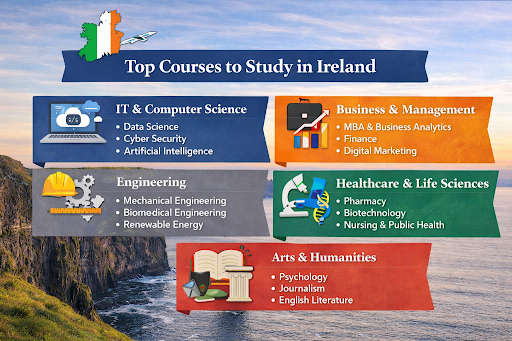
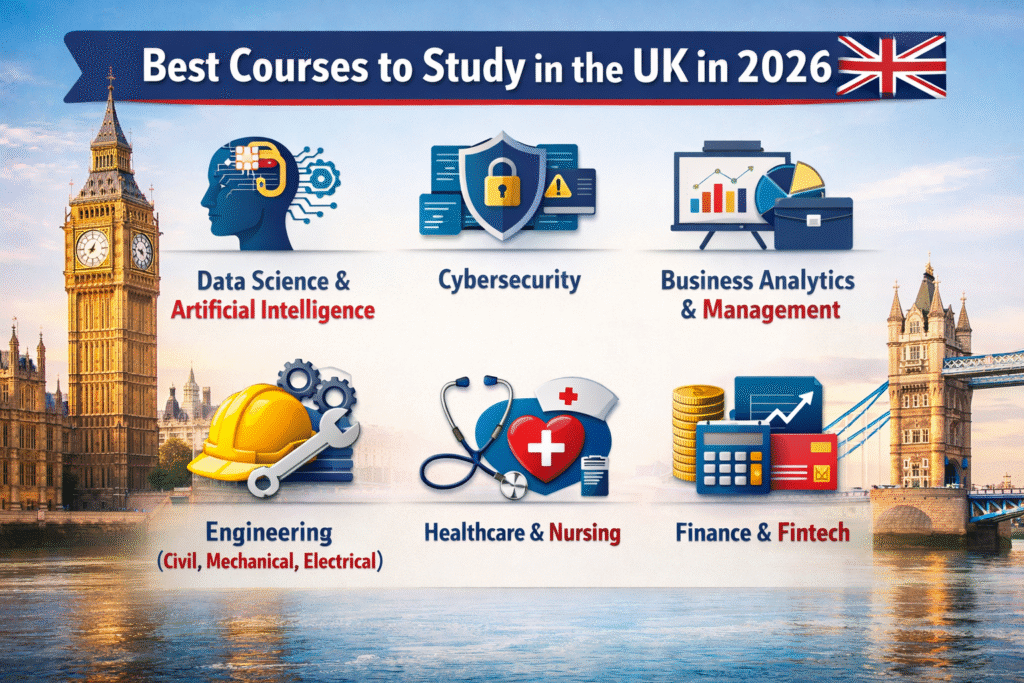
Study in Canada and immerse yourself in the welcoming atmosphere and high-quality education. In the UK, experience a blend of tradition and modernity while studying in UK’s prestigious institutions. Australia education consultants provides research-oriented education that will captivate you as you explore courses in science, technology, and healthcare. For a unique study experience amidst natural beauty, New Zealand’s study abroad program focus on sustainability and practical learning is ideal for courses in environmental studies and more. Study in Ireland, a land of myths and vibrant culture, offers courses in arts, humanities, technology, and business.
Benefits of Signing Up with A Study Abroad Consultant
Expert Guidance and Knowledge
Reputed study abroad consultants, having the requisite knowledge and expertise, are in the right position to guide students towards the best institutes and courses that will help launch their careers. As a student who has just completed high school or a graduate degree, most of you are likely to be overwhelmed seeing the ocean of courses and institutes out there. Making the right decision can be daunting, not just difficult. The entire process can be eased when you hire a study abroad consultant.
Simplified Application Process
As the overseas consultancy has the experience and expertise of applying to various courses and colleges in different countries, as well as the visa processes, they can take care of the applications on behalf of students or guide the students so that the process of applying to courses abroad becomes relatively easy and simple.
Access to Exclusive Opportunities
Education consultants have tie-ups with numerous universities and build good relationships with them over time. Often, due to such relationships, they are in a position to offer exclusive opportunities like scholarships and other funding, knowledge about newly introduced courses, hostel and other economical accommodation facilities, and so on.
Why Salve Maria Is Your Overseas Education Consultant in Kerala?
Salve Maria is one of the best study abroad consultants in Kerala, thanks to our years of excellent services and high success rate of placing students at some of the most sought-after colleges in countries like the UK, USA, Canada, Australia, New Zealand, and so on. Since 2007, we have placed hundreds of students at numerous institutes, in courses of their choice. We have a 100% success rate in obtaining visas for our students, and also help them in submitting applications correctly.
At Salve Maria, we also help students with their IELTS exams, easing their path to a college admission in a country of their choice. We have a dedicated team of expert professionals who are passionate about helping students follow their passion of studying abroad, and we go the extra mile to make it happen.
FAQ
Why choose a good study abroad consultant?
A reliable international education consultant provides the correct and current information about the different destinations, universities, colleges, fees, visa requirements, cost of living, academic requirements, and more. They will also take the time and effort to understand your qualifications, goals, and aptitudes, and make sure they match you to the right university and course.
What is the role of a study abroad consultant?
An education consultant must understand the student’s academic background and capabilities, interests, aims, field of study, and so on, and match them to suitable programs in suitable universities.
What are the questions you need to ask consultants for studying abroad?
There are several things you must ask a study abroad consultant. Here are some of them: What are the right courses for me based on my background and skills? When should I apply for the courses? What are the university’s requirements for admission? What is the cost of living in the city I have chosen? Are any scholarships or funding available? What exams or tests do I need to take to get admission in my preferred college? What are the living conditions in the country where my university is?